

The New "Carpet Craze": Why We’re Covering Our History with Plastic (And How to Stop)
By Robert Smith Founder, Owner & Residential Designer | Fresh Start Designs
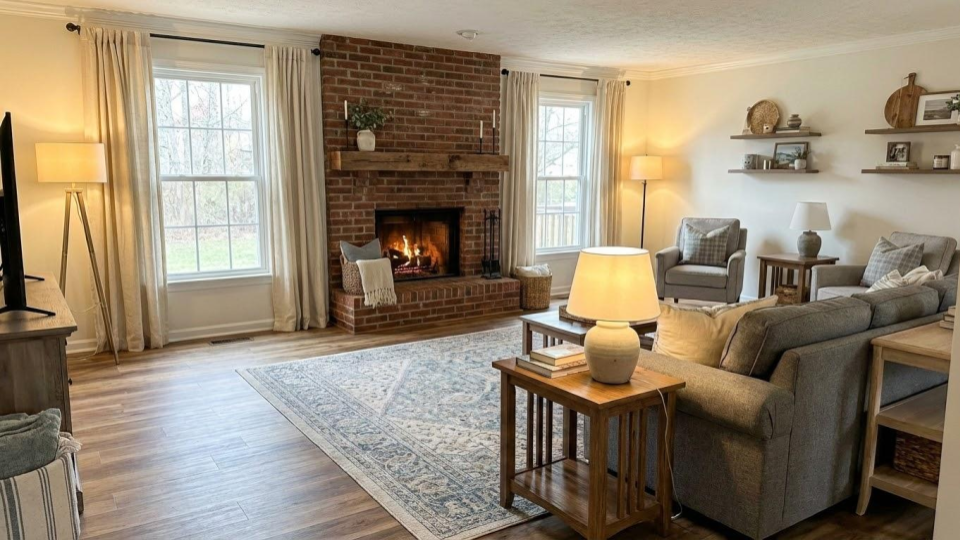
If you walk into a beautifully constructed home from the 1920s or 50s today, there is a very high probability you will see a familiar sight: a contractor laying down gray-toned planks over what looks like perfectly salvageable, solid oak flooring.
It is a scene that feels eerily familiar to anyone who knows design history. In the 1960s and 70s, America fell in love with wall-to-wall carpet. It was soft, it was novel, and it was marketed as a luxury. Homeowners covered distinct, intricate hardwood floors with shag carpet in avocado green and harvest gold. Decades later, we spent years ripping that carpet up to rediscover the wood underneath.
Today, history is repeating itself. We have traded the Carpet Craze for the LVP (Luxury Vinyl Plank) Craze.
As a Residential Designer here in Pennsylvania—I see this trend daily. LVP has become the default "go-to" for new builds and remodels alike. But before you cover your floors in plastic, it is time for an honest conversation about why this is happening, and why you might want to break the cycle.
Why Is LVP Everywhere?
To understand how to move away from LVP, we first have to understand why it took over the market so aggressively in the last decade. It didn’t happen by accident; it was a perfect storm of marketing and logistics.
1. The "Waterproof" Promise
Marketing campaigns have convinced homeowners that their floors need to be essentially submarine-grade. Families are terrified of a spilled cup of water ruining their investment. LVP is sold as "100% waterproof," which appeals heavily to pet owners and parents of young children.
2. The Labor Shortage
This is the hidden driver of the craze. Installing real sand-and-finish hardwood requires a craftsman. It takes years to master the art of sanding, staining, and sealing.
LVP is different. It is a "floating floor" system that clicks together.
Almost any general contractor can install it with minimal training.
It is faster, cleaner, and requires less downtime than site-finished wood.
3. The Look for Less
Modern printing technology is admittedly impressive. LVP can mimic the grain of hickory, oak, or walnut at a fraction of the material cost. For flippers and budget-conscious renovators, it provides a "high-end look" in photographs without the high-end price tag.
The Reality Check: What You Are Actually Buying
While LVP has its place (it is great for basements or commercial spaces), installing it over real hardwood in your main living areas is a design decision you—or the next owner—may regret.
It is Temporary: Unlike solid hardwood, which can last 100+ years and be refinished multiple times, LVP is a consumable product. When it scratches, dents, or wears out, you cannot sand it. You have to rip it out and throw it in a landfill.
It Feels Different: No matter how good the photo looks, your feet know the difference. LVP often has a hollow sound and a plastic feel underfoot compared to the solid, warm resonance of wood.
Pattern Repetition: Because LVP is printed, you will eventually notice the same knot or grain pattern repeating across your floor. It lacks the unique, organic variation of natural timber.
Breaking the Craze: Timeless Alternatives to LVP
If you are remodeling your current home or building a new one, you have options that offer better long-term value and aesthetic integrity.
1. Restore the Existing Hardwood
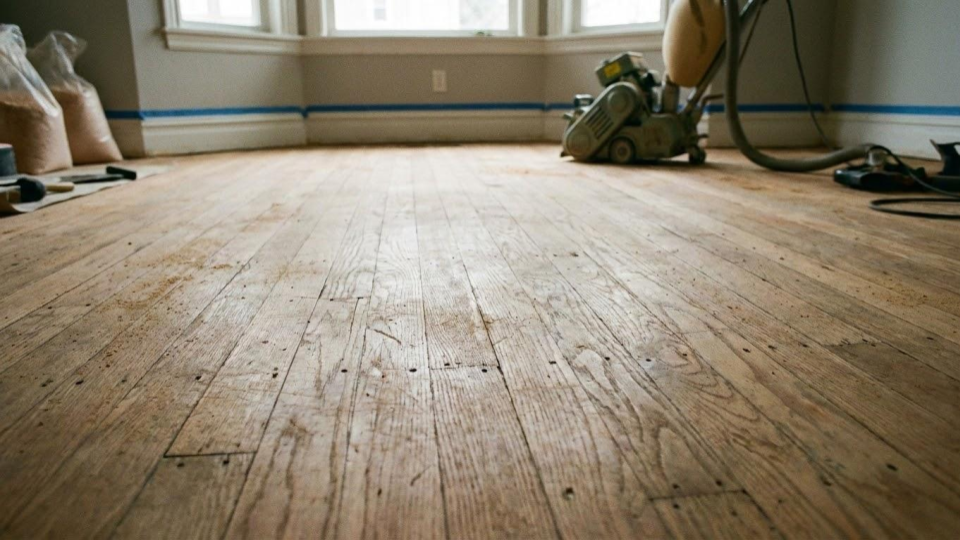
If you have a home built before 2000, check under your carpet or existing laminate. You may be sitting on a goldmine.
The Benefit: Refinishing is often comparable in price to buying and installing quality LVP.
The Look: You can modernize old floors with water-based sealers (like Bona) that prevent the "orangeing" effect of old oil-based polyurethanes, giving you a matte, natural, Scandinavian look.
2. Engineered Hardwood
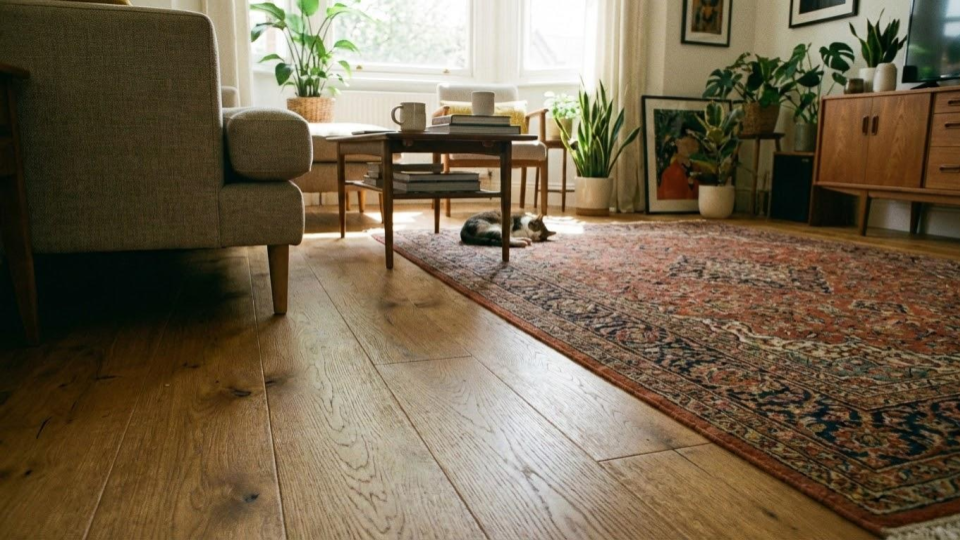
If you need new flooring and want the stability of modern materials with the feel of real wood, this is the best middle ground.
What it is: A slice of real hardwood (the wear layer) bonded to a plywood core.
Why it wins: It is real wood. It feels like wood because it is wood. High-quality engineered floors can even be refinished once or twice. It adds significantly more appraisal value to a home than vinyl.
3. Large Format Tile or Slate
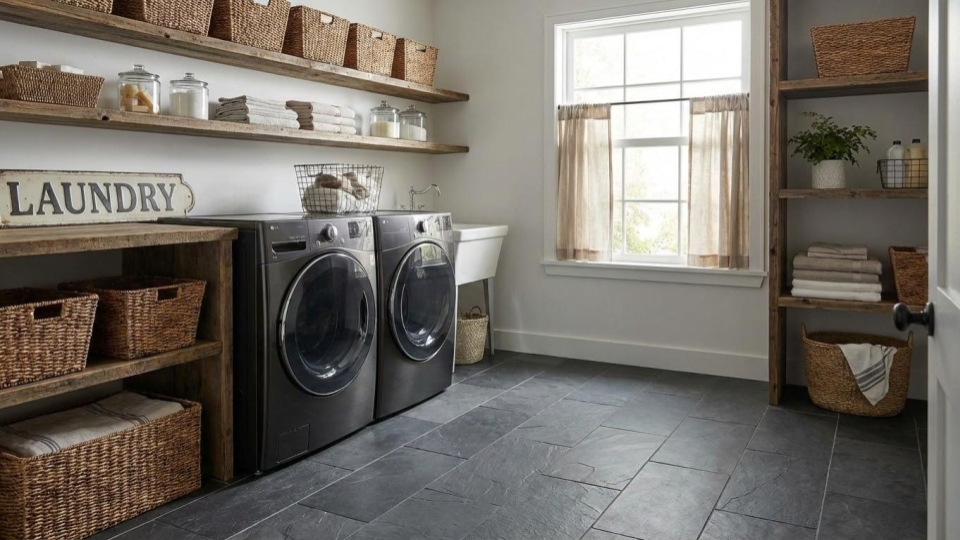
For areas where water is a genuine concern (bathrooms, mudrooms, laundry rooms), stop trying to make wood-look plastic work. Embrace materials that are meant to be wet.
Slate and Stone: These materials are virtually indestructible and offer a texture that vinyl can never replicate.
Large Format Tile: 24x48 porcelain tiles can make a space feel massive and modern, and they are truly waterproof without pretending to be wood.
4. Marmoleum (Real Linoleum) or Cork
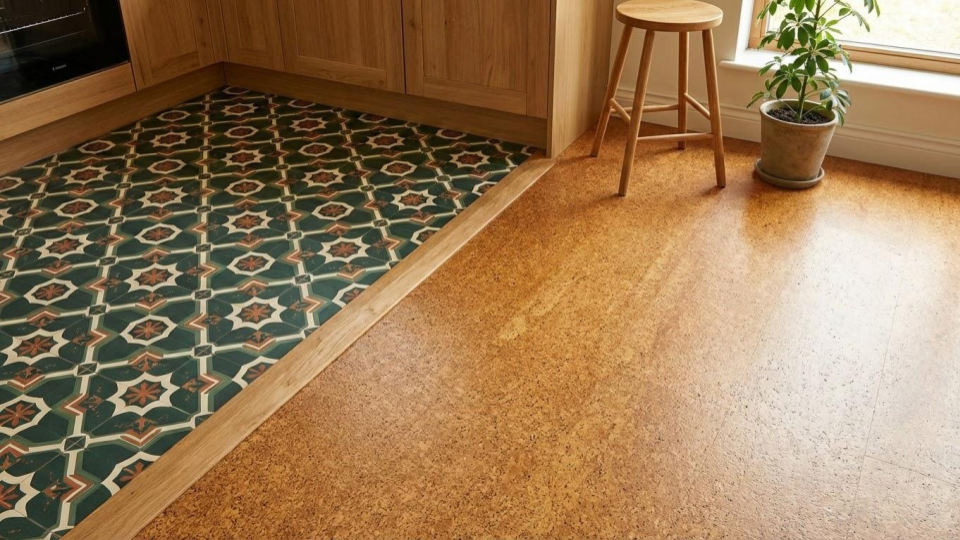
If you want something soft and eco-friendly, look back at true classics.
Cork: It is naturally antimicrobial, warm, and soft on the joints—perfect for kitchens.
Marmoleum: Made from linseed oil and jute, this is the "green" original resilient flooring. It is durable, colorful, and historically authentic for mid-century homes.
The Bottom Line
Trends come and go. The shag carpet of 1970 became the joke of 1990. I fear that in twenty years, we will be peeling up tons of plastic gray planks, wondering why we covered up the soul of our homes.
At Fresh Start Designs, we believe in materials that age with you, not materials that just age. Whether you are in PA or the Carolinas, let's design a home with a foundation that lasts.
Ready to rethink your renovation?
If you are looking for a design partner who values authenticity and long-term value, let's talk about your project.

Robert Smith
FRESH START DESIGNS
Founder | Owner | Residential Designer
Location: Phoenixville, PA
Web: www.freshstartdesignsco.com
Phone: 610-624-2164
Email: revive@freshstartdesignsco.com