


Articles

Built to Last? Why My 1775 Farmhouse Still Stands Strong Without Rebar or Ties
My 1775 home in Phoenixville doesn’t have a concrete foundation or steel rebar—it rests on stones from the Schuylkill River and timber cut centuries ago. In an era of strict building codes and Simpson ties, are we over-engineering today's homes? Or was the lumber used by pioneers simply superior? Join me as we explore the structural tug-of-war between old-growth materials and modern safety.
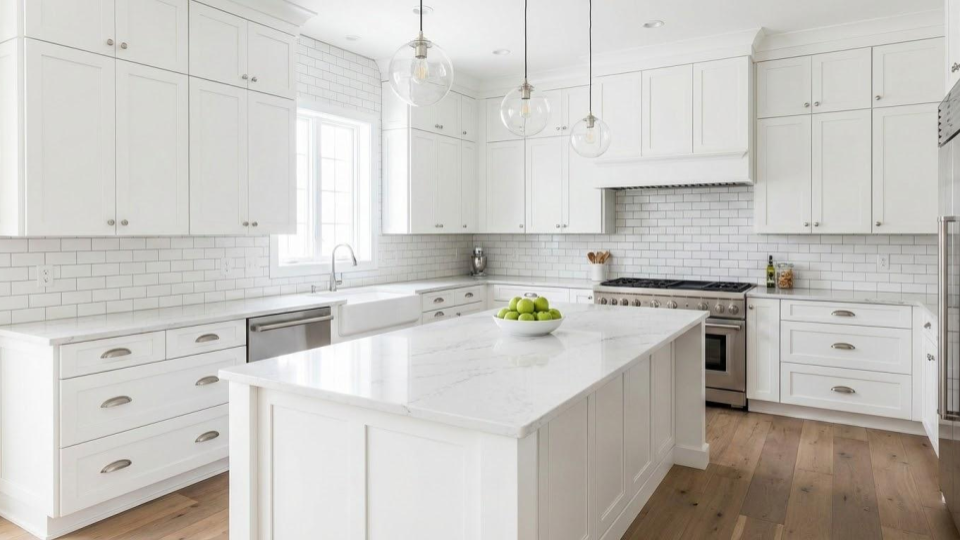
The End of the "Sterile Box": Why White Shaker Cabinetry Will Be History in 2026 (And What’s Replacing It)
For nearly 15 years, the white shaker cabinet has been the "beige carpet" of our generation—ubiquitous, safe, and increasingly sterile—but as we approach 2026, the era of the clinical white box is officially fading. In its place, we are seeing a dramatic shift toward warmth and texture, with homeowners trading bright white for the refined lines of "Skinny Shaker" doors, the organic depth of natural walnut, and the sophistication of moody "mushroom" and taupe neutrals. Luxury is no longer about blinding brightness; it is about character, and the new wave of kitchen design proves that the future is anything but generic.
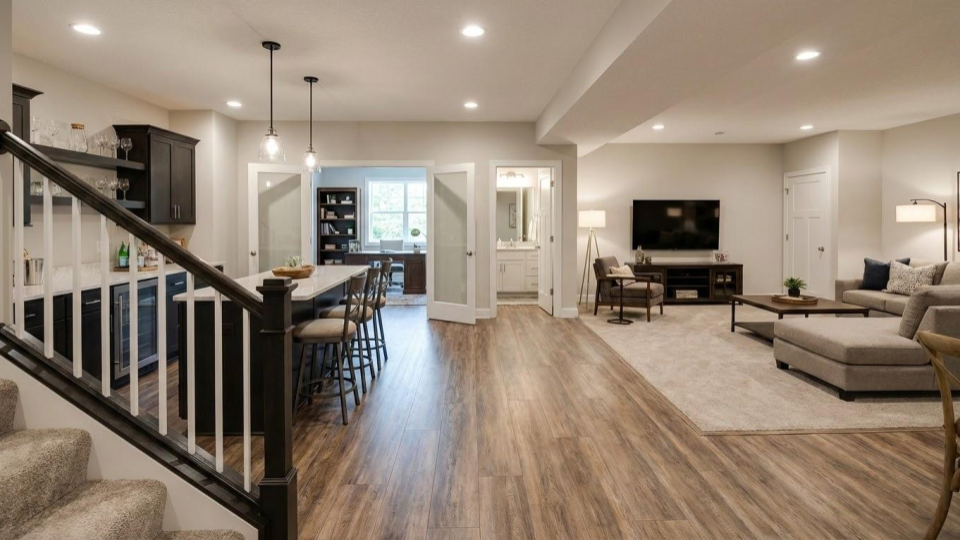
Reviving the Space Beneath Your Feet: A Guide to Basement Finishing
For nearly 15 years, the white shaker cabinet has been the "beige carpet" of our generation—ubiquitous, safe, and increasingly sterile—but as we approach 2026, the era of the clinical white box is officially fading. In its place, we are seeing a dramatic shift toward warmth and texture, with homeowners trading bright white for the refined lines of "Skinny Shaker" doors, the organic depth of natural walnut, and the sophistication of moody "mushroom" and taupe neutrals. Luxury is no longer about blinding brightness; it is about character, and the new wave of kitchen design proves that the future is anything but generic.

Avoiding Remodel Sticker Shock: A Homeowner’s Guide
We’ve all seen the renovation shows where a massive kitchen overhaul costs $30,000 and takes three days. But when homeowners sit down to plan their own projects, the real numbers can be a jarring wake-up call. This phenomenon is known as "sticker shock," and it usually happens because a renovation budget is far more than just the cost of lumber and tile.
From the often-overlooked fees of structural and civil engineers to the complexities of impervious coverage, setback requirements, and stormwater management, the "invisible costs" add up fast. Add in contractor markups, permit fees, and the inevitable change orders, and a budget can quickly derail if you aren't prepared.
In this guide, Robert Smith of Fresh Start Designs breaks down exactly where the money goes during a remodel or addition. Learn how to distinguish between "Construction Cost" and "Project Cost," why you need a contingency fund, and how to educate yourself so you can build with confidence—not anxiety.
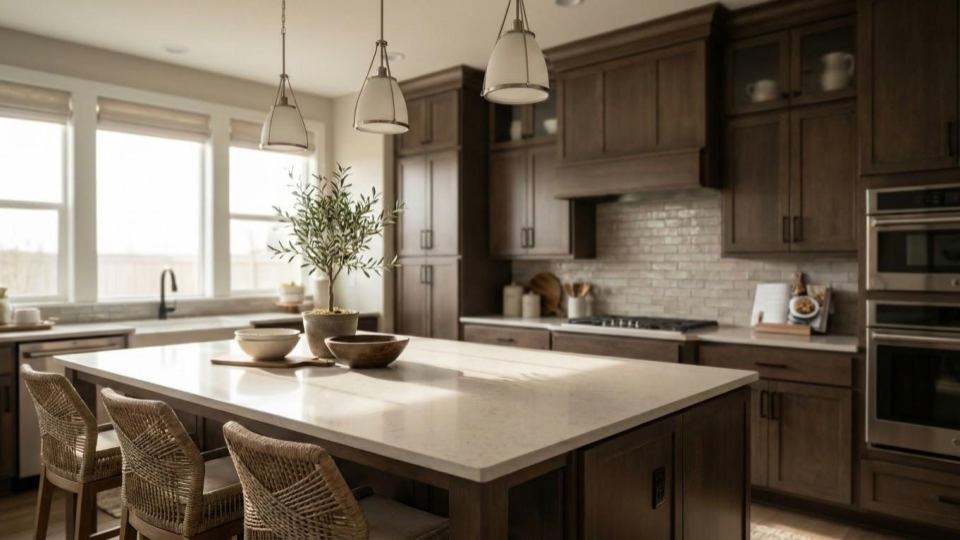
Countertop Confidential: Choosing the Right Surface for How You Actually Cook
When we sit down to design a kitchen, my first question is never 'What color do you want?' It is always: 'How do you cook?' Are you a baker needing a cold surface for dough, or a 'hot pot' chef who needs to set a searing skillet down without fear? Your countertop is the workhorse of your home, and picking the right one means balancing aesthetic goals with the reality of your daily life. From the maintenance-free appeal of Quartz to the 'perfectly imperfect' charm of Soapstone, we break down the top contenders, the costs, and the materials you should strictly avoid.