
What Does "Grandfathered" Actually Mean for Your Home Renovation?
A Homeowner’s Guide to Codes, Compliance, and Budgeting for the Unexpected
By Robert Smith Founder, Owner & Residential Designer | Fresh Start Designs
One of the most common questions I hear when sitting down with a homeowner is: "Do I have to fix the steep stairs?" or "Can we leave that old window? Is it grandfathered in?"
It is a valid concern. When you are budgeting for a kitchen remodel or a basement finish, the last thing you want is a surprise bill for rewiring the entire house or rebuilding a staircase that has worked fine for 50 years.
The term "grandfathered" gets thrown around a lot in construction, often as a magic shield that protects old homes from new rules. But the reality is a bit more nuanced. As we move towards 2026 with updated building codes taking effect across Pennsylvania and beyond, understanding the difference between "existing non-conforming" and "mandatory upgrades" is critical for your renovation budget.
The Myth of "Grandfathering"
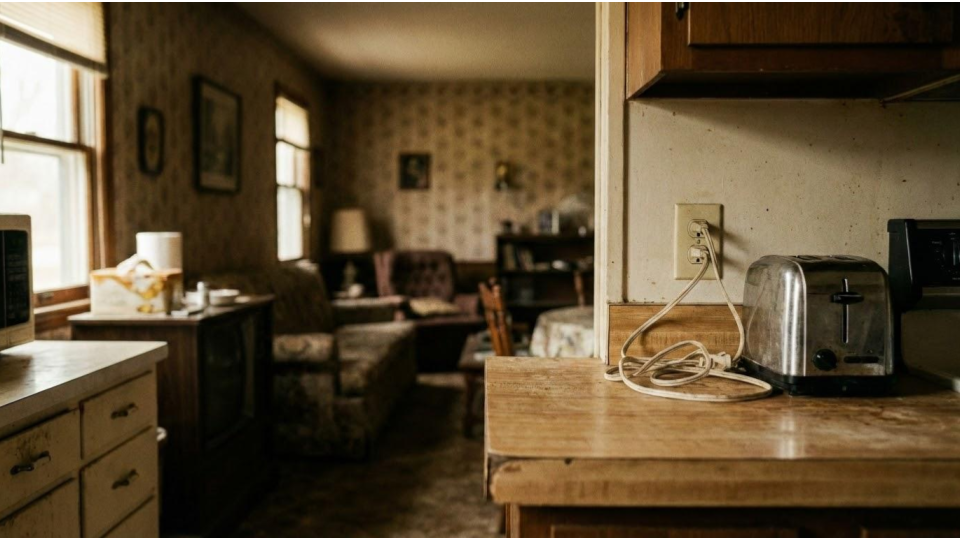
In the world of building codes (specifically the International Residential Code or IRC, which dictates most residential construction in PA, NC, and SC), the word "grandfathered" doesn't technically exist. The correct term is "Existing Non-Conforming."
This basically means: Your home was built to code at the time it was constructed. Just because codes have changed since then doesn't mean your house is suddenly illegal.
You generally do not need to update your entire home to meet today's standards just because you are living in it. However, the moment you decide to renovate, you open a specific door.
The Golden Rule: "Touch It, Fix It"
The general rule of thumb for renovations is simple: Code compliance is triggered by the scope of work.
If you are remodeling your kitchen, the work inside that kitchen must meet today's rigorous building codes. This means you’ll likely need GFCIs (Ground Fault Circuit Interrupters) on the outlets, specific lighting efficiency, and proper ventilation.
However, doing your kitchen usually does not force you to rip out the staircase in the hallway or replace the windows in the upstairs bedrooms. Those areas are outside the "Scope of Work" and remain "grandfathered" as they are.
The 3 Common "Gotchas" (Where Grandfathering Ends)
While the "Scope of Work" rule protects you most of the time, there are three major exceptions where a local code official might force you to update items you didn't plan on touching.
1. Life Safety Is Non-Negotiable
This is the most common surprise for homeowners. Even if you are just remodeling a powder room, the building inspector will often require you to bring the smoke and carbon monoxide detection systems up to current code for the entire house.
What this means: You may need to install hardwired, interconnected smoke detectors on every level and inside every bedroom. You cannot "grandfather" in a lack of fire safety.
2. The "System Tie-In" Effect
Sometimes, new work puts strain on old systems.
Example: You want to add a new Master Suite addition. While the addition is new, your existing electrical panel is a 100-amp service from 1980. The inspector may determine the old panel cannot safely handle the new load, requiring you to pay for a "Service Upgrade" to 200 amps. The old panel is no longer grandfathered because you are asking it to do something new.
3. The 50% Rule (Substantial Improvement)
This is rare for minor remodels but critical for whole-home gut renovations. If the cost of your renovation exceeds 50% of the market value of the structure (not the land, just the house), some jurisdictions—especially in flood zones or under strict adoption of the International Existing Building Code—may require the entire building to be brought up to current code.
Real-World Examples: To Fix or Not to Fix?
Here is how code application typically plays out for the items homeowners worry about most:
Stair Railings (Cosmetic Update)
The Scenario: You are repainting the hallway and replacing the carpet on the stairs.
Is it Grandfathered? YES. You can usually keep your low/open railings as they are.
Stair Railings (Structural Change)
The Scenario: You are moving the staircase or replacing the treads/risers.
Is it Grandfathered? NO. The new stairs must meet current height, width, and railing safety codes.
Egress Windows (Replacement)
The Scenario: You are replacing a window in an existing bedroom with the same size window.
Is it Grandfathered? USUALLY YES. No structural change often means no need to enlarge for egress.
Egress Windows (New Bedroom)
The Scenario: You are turning a basement storage room into a new bedroom.
Is it Grandfathered? NO. You MUST cut the foundation to install a full-size egress window for fire escape.
Bathroom Fan
The Scenario: You are remodeling a bathroom that currently has a window but no fan.
Is it Grandfathered? NO. New codes almost always require mechanical ventilation (a fan) exhausted to the exterior, even if you have a window.
How to Budget for the "Unforeseen"
When we design at Fresh Start Designs, we look for these "red flags" early. If you are planning a renovation on an older home in Chester County or down in the Carolinas, here is my advice:
Allocate a "Code Contingency": Set aside 5-10% of your budget specifically for code upgrades you didn't plan for (like that electrical panel or hardwired smoke detectors).
Ask "What If?": Ask your designer or contractor, "If we open this wall, what are we required to fix inside it?" Once a wall is open, you cannot close it back up over faulty plumbing or dangerous wiring—you must fix it.
Don't Fear the Update: "Grandfathered" implies the old way is "good enough," but often, modern codes are there for safety. Updating a steep, slippery staircase or adding an egress window isn't just bureaucratic red tape—it’s about ensuring your family can escape in a fire or avoid a fall.
The Bottom Line
You don't need to rebuild your whole house to remodel your kitchen. But you do need a guide who knows the rules.
Don't Let Code "Gotchas" Blow Your Budget.
Planning a Renovation? Our Revive Packages are designed to current standards, giving your contractor a clear, compliant roadmap so you don't get hit with change orders later.
Opening Walls? If you are moving plumbing or structural walls, you need a professional permit set. Book a Discovery Call to discuss your project before you start demolition.
A Note on Code Compliance The information provided in this article is intended for general educational purposes and reflects common building practices as of 2025-26. Building codes, zoning laws, and enforcement interpretations vary significantly by municipality, township, and state. Always consult with your local building department, code official, or township administration to verify specific ordinances and requirements for your property before beginning any renovation project.

Robert Smith
FRESH START DESIGNS
Founder | Owner | Residential Designer
Location: Phoenixville, PA
Web: www.freshstartdesignsco.com
Phone: 610-624-2164
Email: revive@freshstartdesignsco.com